 by
by Cricket laws require bowlers to complete six legal deliveries per over. Wides and no-balls do not count as legal deliveries under Law 21.
Each illegal delivery extends the over by one ball, requiring re-bowling until six legal balls are completed.
Loss of bowling control causes extended oversequences.
Front-foot violations produce no-balls, while deliveries outside the batsman’s reach trigger wide calls.
Umpires must track every delivery to enforce completion rules.
Record overs document severe discipline breakdowns. The longest over in cricket history required 22 deliveries, while others range from 13 to 18 balls.
These records preserve instances where bowlers lost fundamental control of line, length, or front-foot placement across all match formats.
Longest Over in Cricket History 2026
Top 9 Longest Overs In Cricket History
| Rank | Bowler | Balls | Wides | No-Balls | Match Format |
|---|---|---|---|---|---|
| 1 | Bert Vance (NZ) | 22 | 0 | 17 | First-Class |
| 2 | John Hastings (Aus) | 18 | 12 | 1 | T20 |
| 3 | Mohammad Sami (Pak) | 17 | 7 | 4 | ODI |
| 4 | Curtly Ambrose (WI) | 15 | 0 | 9 | Test |
| 5 | Daryl Tuffey (NZ) | 14 | 4 | 4 | ODI |
| 6 | Scott Boswell (Eng) | 14 | 8 | 0 | List A |
| 7 | Naveen-ul-Haq (Afg) | 13 | 5 | 1 | T20I |
| 8 | Tinashe Panyangara (Zim) | 13 | 7 | 0 | ODI |
| 9 | Arshdeep Singh (Ind) | 13 | 7 | 0 | T20I |
Extras Breakdown in Long Overs
| Over Length | Avg Wides | Avg No-Balls | Format |
|---|---|---|---|
| 13-15 balls | 4.8 | 1.8 | All Formats |
| 16-18 balls | 9.5 | 2.5 | Limited Overs |
| 19-22 balls | 0.0 | 17.0 | First-Class |
Wides cause longer over extensions in limited-overs formats in the top 10 longest overs in cricket history.
Line control failures dominate T20 and ODI cricket, while Test matches record primarily no-ball violations. The average wide count increases as overs extend beyond 16 deliveries, except for the 22-ball outlier.
T20 formats show the highest wide-bowling risk due to aggressive variations. Death-over tactics involving wide yorkers outside off-stump create line control problems.
The longest over in T20 cricket contained 12 wides, demonstrating format-specific discipline challenges. ODI cricket shows balanced extra distribution, while multi-day formats emphasize front-foot violations.
All 9 Longest Overs In Cricket History
1. Bert Vance: 22-ball Over
Bert Vance bowled 22 deliveries in the 1990 Shell Trophy Final. The over contained zero wides and 17 no-balls. This first-class match produced the highest no ball in one over in the international cricket context through deliberate front-foot violations.
Only five legal deliveries were completed in this sequence. Front-foot overstepping created every illegal delivery. The no-ball count represents the end of bowling discipline failure in any cricket format.
2. John Hastings: 18-ball Over
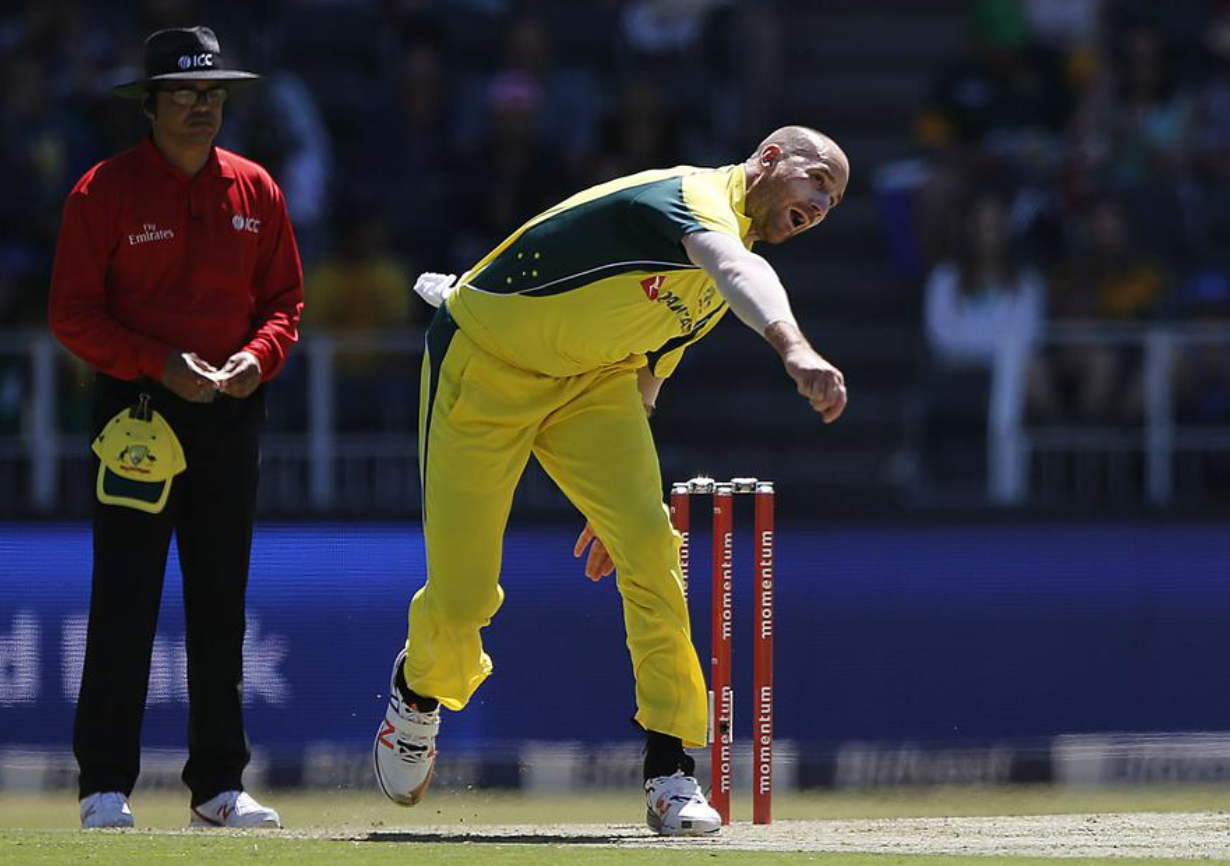
John Hastings delivered 18 balls in a 2025 World Championship of Legends T20 match. The over included 12 wides and one no-ball. This represents the most wides in an over in international cricket by total count.
Line control breakdown dominated this sequence rather than front-foot issues. Hastings bowled wide of off-stump repeatedly throughout the over. The 12-wide count shows a complete loss of accuracy during the longest over in T20 cricket history.
3. Mohammad Sami: 17-ball Over
Mohammad Sami bowled 17 deliveries in a 2001 ODI against New Zealand. The over contained seven wides and four no-balls. This combination shows both line and front-foot control failures occurring simultaneously.
The mixed extra distribution reveals multiple discipline problems. Sami lost control of both bowling crease positioning and delivery line. The longest over in ODI cricket history demonstrates compound control breakdown across two separate technical areas.
4. Curtly Ambrose: 15-ball Over
Curtly Ambrose sent down 15 balls in a 1997 Test match against Australia. The over included zero wides and nine no-balls. All illegal deliveries came from front-foot violations only.
Front-foot discipline failed repeatedly during this Test sequence. Ambrose maintained line control while overstepping the bowling crease nine times. No-ball-only overs occur more frequently in Test cricket than in limited-overs formats.
5. Daryl Tuffey: 14-ball Over
Daryl Tuffey bowled 14 deliveries in a 2005 ODI against Australia. The over contained four wides and four no-balls. This even split between extra types shows balanced control failure.
Equal distribution of wides and no-balls is unusual in extended overs. Most long sequences show dominance of one extra type. Tuffey lost both line accuracy and front-foot discipline simultaneously during this ODI over.
6. Scott Boswell: 14-ball Over
Scott Boswell delivered 14 balls in the 2001 C&G Trophy Final. The over included eight wides and zero no-balls. All extras resulted from line control loss rather than front-foot violations.
Boswell maintained front-foot awareness while losing line discipline completely. The eight-wide sequence demonstrates pure line control breakdown. Wide-only extended overs occur most frequently in List A and ODI formats.
7. Naveen-ul-Haq: 13-ball Over
Naveen-ul-Haq bowled 13 deliveries in a 2024 T20I against Zimbabwe. The over contained five wides and one no-ball. Wides dominated this sequence with minimal front-foot issues.
The longest over in T20 international cricket by full-member nations shows typical format patterns. Five wides indicates moderate line control loss rather than complete breakdown. One no-ball suggests front-foot discipline remained mostly intact.
8. Tinashe Panyangara: 13-ball Over
Tinashe Panyangara sent down 13 balls in the 2004 Champions Trophy match. The over included seven wides and zero no-balls. All extras came from line accuracy failures.
Seven wides without any no-balls shows pure line control problems. Front-foot discipline remained functional throughout the sequence. ODI format pressure contributed to the accuracy loss during this Champions Trophy match.
9. Arshdeep Singh: 13-ball Over
Arshdeep Singh bowled 13 deliveries in the 2025 T20I against South Africa. The over contained seven wides and zero no-balls. Six wides went outside off-stump, one down leg-side.
Wide distribution shows targeted line failures rather than random control loss. Off-side wides came from wide yorker attempts outside off. While the longest over in IPL history involves different domestic contexts, Singh’s T20I sequence matches international format patterns.
FAQs
- How do wides extend cricket overs under Law 21?
Wides are illegal deliveries that do not count toward the six-ball requirement. Each wide adds one delivery to the overall total. The over completes only after six legal deliveries are bowled.
- Why do no-balls require re-bowling?
Cricket laws classify no-balls as illegal deliveries. Front-foot violations, height infractions, or bowling mode violations trigger no-ball calls. Each no-ball extends the over by one delivery.
- Which extra type causes longer overs?
Analysis shows that wider causes more extreme overextensions. Hastings’ 12-wide over reached 18 balls, while Vance’s 17 no-balls reached 22. No-balls can compound more severely than wides in absolute terms.
- Do T20 formats show more wides than Tests?
Yes, T20 cricket records higher wide counts in the Longest Over in Cricket History data. Aggressive variations and wide yorkers increase line control failures. Test cricket emphasizes accuracy, reducing wide deliveries.
- Can overs contain only one extra type?
Yes, several records show single extra overs. Ambrose bowled nine no-balls with zero wides. Boswell, Panyangara, and Singh each bowled only wides without no-balls. Single-extra overs indicate specific control failures.
- What causes front-foot violations?
Front-foot no-balls come from overstepping the bowling crease. Bowlers misjudge their run-up or landing position. Pace variations can also affect foot placement at the release point.
- Why do death overs produce more wides?
Death-over tactics involve wide yorkers outside off-stump. Batsmen move around the crease, forcing bowlers to adjust lines. Pressure situations increase the risk of bowling outside the wide guideline.
- How many legal balls were in the Longest Over in Cricket History?
Bert Vance’s 22-ball over contained only five legal deliveries. The remaining 17 balls were no-balls. Legal delivery counts vary across all extended records.
- Do bowlers repeat long overs in careers?
Records show no pattern of bowlers repeating 13+ ball overs. These sequences represent isolated control breakdowns. Career-wide discipline patterns do not predict individual long-term occurrences.
- Which format has the best bowling discipline?
Test cricket shows the best overall discipline with minimal extended overs. The format’s emphasis on accuracy reduces both wide and no-ball frequencies. Limited-overs formats create pressure that increases extras.
Conclusion:
Bowling discipline prevents extended overs across all formats. The longest over in cricket history required 22 deliveries due to 17 no-ball violations.
Other records show varied patterns based on format pressure and control failures.
Key discipline patterns include:
- Wides dominate T20 and ODI extended overs
- No-balls dominate first-class and Test sequences
- Mixed extras indicate compound control failures
- Death-over pressure increases wide frequencies
Front-foot awareness prevents no-ball violations. Line control reduces wide deliveries.
Both technical areas require sustained concentration under match conditions.
Extras impact match control by providing free runs and disrupting bowling plans.
These records remain rare because most bowlers maintain basic discipline.
Over-rate requirements and team strategies discourage extreme extra-bowling.
The nine documented cases represent significant statistical outliers where fundamental control broke down completely across multiple deliveries within single over sequences.
Also Check: