
 by
by Ask someone to name the richest footballer in the world, and they’ll say Ronaldo without blinking.
They’re right — but the gap between him and the rest of the list is more jaw-dropping than most people realise.
We’re talking about a man earning more before breakfast on a Monday than most professionals earn in a year.
And he’s not alone at the top. The top 10 highest paid footballers in the world in 2026 collectively earn figures that would have seemed fictional a decade ago.
Some of that is club wages. Some is sponsorship income structured more like a media company deal than a boot contract.
And a large chunk of it traces back to one place: Saudi Arabia, whose clubs have fundamentally rewritten what elite football pays.
Highest Paid Footballers in the World
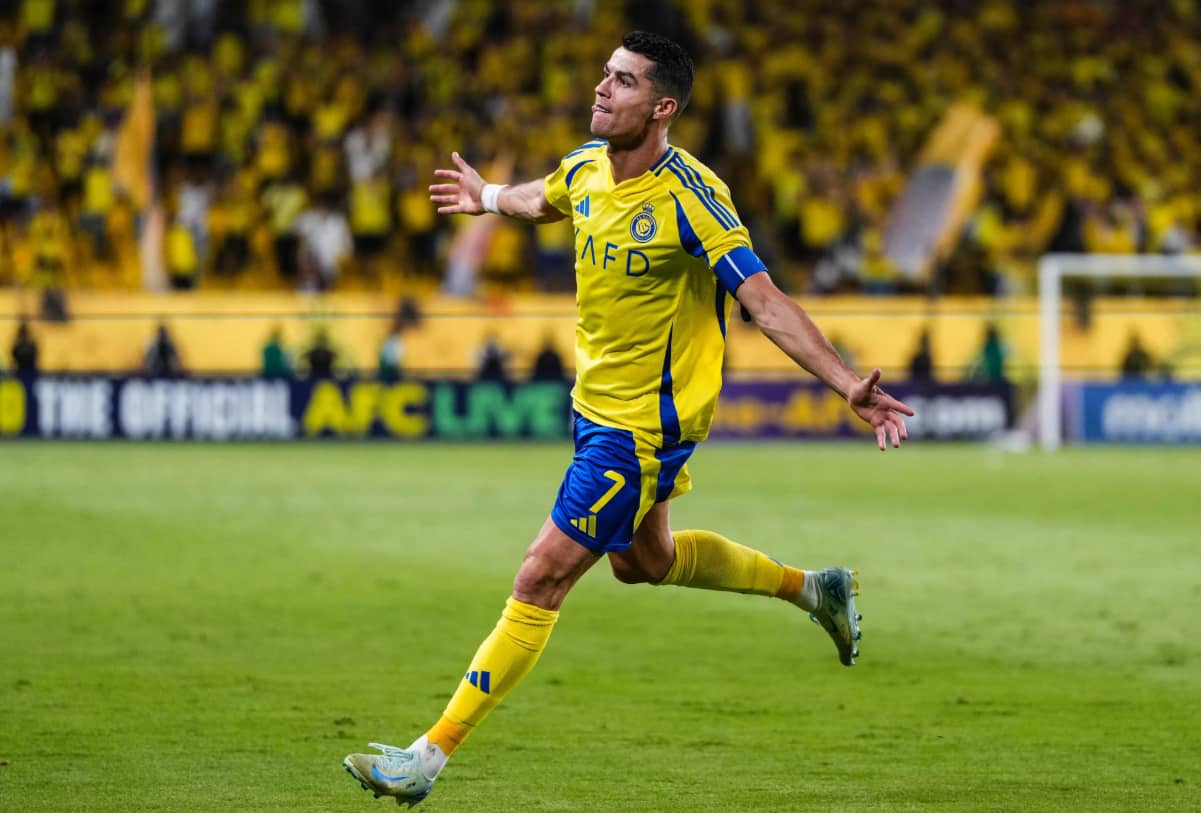
Here’s the complete breakdown — weekly wages, monthly earnings, annual salary, and total income including commercial deals — for every player in the top 10.
The Top 10 Highest Paid Footballers in the World 2026 — At a Glance
| Rank | Player | Club | Weekly Wage | Monthly Earnings (Est.) | Annual Salary (Est.) |
|---|---|---|---|---|---|
| 1 | Cristiano Ronaldo | Al Nassr | £3,400,000 | £14,700,000 | £176,800,000 |
| 2 | Lionel Messi | Inter Miami | £2,500,000 | £10,800,000 | £130,000,000 |
| 3 | Neymar Jr. | Al Hilal | £2,000,000 | £8,600,000 | £104,000,000 |
| 4 | Karim Benzema | Al Ittihad | £1,600,000 | £6,900,000 | £83,200,000 |
| 5 | Kylian Mbappé | Real Madrid | £1,200,000 | £5,200,000 | £62,400,000 |
| 6 | Kevin De Bruyne | Al Qadsiah | £1,000,000 | £4,300,000 | £52,000,000 |
| 7 | Mohamed Salah | Liverpool | £950,000 | £4,100,000 | £49,400,000 |
| 8 | Erling Haaland | Manchester City | £875,000 | £3,800,000 | £45,500,000 |
| 9 | Robert Lewandowski | Barcelona | £800,000 | £3,500,000 | £41,600,000 |
| 10 | Sadio Mané | Al Nassr | £750,000 | £3,200,000 | £39,000,000 |
Note: Monthly and annual figures are calculated from weekly wages (weekly wage × 52 ÷ 12 for monthly). These are base club salaries only. Total annual earnings including sponsorships, image rights and commercial income are listed in individual player profiles below.
Understanding the Numbers: Base Salary vs. Total Income
There’s a version of this list that measures weekly wages and stops there. That version misses half the story.
For the players at the top, club salary is the foundation — not the ceiling.
Messi’s deal with Inter Miami includes equity arrangements and revenue participation tied to MLS broadcasting growth.
Ronaldo’s Al Nassr package reportedly incorporates Saudi tourism promotion.
Mbappé’s Nike relationship has run since his teens and is worth tens of millions annually on its own.
The table below puts wages and total earnings side by side.
| Player | Annual Wages (Est.) | Total Annual Earnings (Est.) | Est. Sponsorship/Commercial Gap |
|---|---|---|---|
| Cristiano Ronaldo | £176,800,000 | £200,000,000+ | £23,200,000+ |
| Lionel Messi | £130,000,000 | £120,000,000 | Varies (equity/revenue model) |
| Neymar Jr. | £104,000,000 | £95,000,000 | Reduced by injury absences |
| Karim Benzema | £83,200,000 | £85,000,000 | ~£1,800,000 |
| Kylian Mbappé | £62,400,000 | £90,000,000 | ~£27,600,000 |
| Kevin De Bruyne | £52,000,000 | £50,000,000 | Lower commercial profile |
| Mohamed Salah | £49,400,000 | £70,000,000 | ~£20,600,000 |
| Erling Haaland | £45,500,000 | £50,000,000 | ~£4,500,000 |
| Robert Lewandowski | £41,600,000 | £45,000,000 | ~£3,400,000 |
| Sadio Mané | £39,000,000 | £40,000,000 | ~£1,000,000 |
Two players stand out. Mbappé earns nearly £28 million more from sponsorships than his wages alone suggest. Salah adds over £20 million. Both have built commercial identities that function independently of whatever club contract they’re on.
Player-by-Player Breakdown
1. Cristiano Ronaldo — £3,400,000 Per Week
| Club | Al Nassr |
| Weekly Wage | £3,400,000 |
| Monthly Earnings | £14,700,000 |
| Annual Salary | £176,800,000 |
| Total Annual Earnings | £200,000,000+ |
| Key Sponsors | Nike, Herbalife, Binance, Clear, CR7 (own brand) |
No player in the history of football has been paid what Ronaldo earns at Al Nassr.
The deal, agreed in January 2023, came with a base salary, performance incentives, and a commercial component linked to Saudi tourism — a detail that explains why the total package looks different from a conventional club contract.
At 41, the goal rate has slowed, but the commercial machinery hasn’t.
His Instagram following — the largest of any individual on the platform — generates brand value that keeps sponsors queuing regardless of what happens on the pitch.
The CR7 brand (fragrances, hotels, clothing) adds income streams that exist entirely outside football.
Ronaldo isn’t just the world’s highest paid footballer; he’s a business operation that happens to still play football.
2. Lionel Messi — £2,500,000 Per Week
| Club | Inter Miami |
| Weekly Wage | £2,500,000 |
| Monthly Earnings | £10,800,000 |
| Annual Salary | £130,000,000 |
| Total Annual Earnings | ~£120,000,000 |
| Key Sponsors | Adidas, Pepsi, Budweiser, Hard Rock, Saudi Tourism |
Messi’s Inter Miami deal was never just a salary.
The structure included an ownership stake in the club, a revenue-sharing arrangement with Apple tied to MLS Season Pass subscriptions, and ongoing Adidas equity benefits.
It’s the kind of deal a media executive might negotiate, not just a footballer.
His total annual earnings land below his nominal wage figure for that reason — the structure is built around long-term asset value rather than immediate cash, which suits a player winding down a 20-year career at the very top.
The 2022 World Cup win remains financially relevant. Every deal signed since Argentina lifted the trophy carries a premium that wouldn’t exist without it.
3. Neymar Jr. — £2,000,000 Per Week
| Club | Al Hilal |
| Weekly Wage | £2,000,000 |
| Monthly Earnings | £8,600,000 |
| Annual Salary | £104,000,000 |
| Total Annual Earnings | ~£95,000,000 |
| Key Sponsors | Puma, Red Bull, PokerStars, Qatar Airways |
On paper, Neymar is the third highest paid footballer on earth. In practice, his last two years have been defined more by the physiotherapy table than the football pitch.
A serious ACL injury significantly limited his playing time after joining Al Hilal, and the commercial ripple effect has been noticeable — his total earnings sit below his wage figure precisely because the injury reduces brand exposure.
The underlying appeal hasn’t disappeared. Brazilian footballers carry some of the strongest commercial ceilings in the sport globally, and Neymar’s social following remained large even through extended absences.
Recovery and a return to form would quickly restore the sponsorship premium.
4. Karim Benzema — £1,600,000 Per Week
| Club | Al Ittihad |
| Weekly Wage | £1,600,000 |
| Monthly Earnings | £6,900,000 |
| Annual Salary | £83,200,000 |
| Total Annual Earnings | ~£85,000,000 |
| Key Sponsors | Adidas, Hyundai, EA Sports |
Fourteen years at Real Madrid. A Ballon d’Or. Five Champions League titles.
When Benzema left for Saudi Arabia in 2023, Al Ittihad wasn’t signing a footballer approaching retirement — they were signing a legacy, and the wage reflects that valuation.
He’s not the most commercially active player in terms of brand volume, but the partnerships he holds — particularly Adidas and EA Sports — are long-term, high-value arrangements built on a decade of elite performance.
5. Kylian Mbappé — £1,200,000 Per Week
| Club | Real Madrid |
| Weekly Wage | £1,200,000 |
| Monthly Earnings | £5,200,000 |
| Annual Salary | £62,400,000 |
| Total Annual Earnings | ~£90,000,000 |
| Key Sponsors | Nike, Hublot, EA Sports, Dior |
Mbappé earns less in wages than the four players above him, but his total earnings sit third on the full list once sponsorships are counted.
That gap roughly £28 million – comes almost entirely from Nike, which has backed him since before he broke into the senior game at Monaco.
He’s 26. The commercial ceiling hasn’t been reached. Real Madrid gives him the platform, the Champions League runs, and the global exposure that turns football performance into brand leverage.
The players above him are in the final chapters of their careers. Mbappé is in the middle of his.
6. Kevin De Bruyne — £1,000,000 Per Week
| Club | Al Qadsiah |
| Weekly Wage | £1,000,000 |
| Monthly Earnings | £4,300,000 |
| Annual Salary | £52,000,000 |
| Total Annual Earnings | ~£50,000,000 |
| Key Sponsors | Nike, Therabody, Wow Hydrate |
De Bruyne’s move to Saudi Arabia in 2025 followed a familiar script — elite European player, early 30s, one final contract that more than doubles previous wages.
At Manchester City, he earned around £400,000 per week. Al Qadsiah’s deal sits at £1 million.
He’s never built the kind of global commercial profile that Salah or Mbappé have. The sponsorship income is real but modest relative to his wage.
What he brought to Saudi football was credibility — a serial Premier League winner and the best playmaker of his generation arriving when the league needed exactly that kind of name.
7. Mohamed Salah — £950,000 Per Week
| Club | Liverpool |
| Weekly Wage | £950,000 |
| Monthly Earnings | £4,100,000 |
| Annual Salary | £49,400,000 |
| Total Annual Earnings | ~£70,000,000 |
| Key Sponsors | Adidas, Pepsi, Vodafone Egypt, BetVictor |
Salah is the highest paid footballer in the Premier League and has been for some time.
His contract extension at Liverpool kept him in England despite sustained Saudi interest, and the figures involved make clear what it cost to do so.
His commercial value is unusually regional in its distribution.
In Egypt and across the Arab world, Salah isn’t just a footballer – he’s a cultural figure.
That reach makes him a premium brand partner for companies targeting the Middle East and North Africa, a market that most European-focused players can’t access in the same way.
The £20 million-plus gap between his wages and total earnings reflects that regional commercial depth.
8. Erling Haaland — £875,000 Per Week
| Club | Manchester City |
| Weekly Wage | £875,000 |
| Monthly Earnings | £3,800,000 |
| Annual Salary | £45,500,000 |
| Total Annual Earnings | ~£50,000,000 |
| Key Sponsors | Nike, Hyperice, Samsung Norway, Amer Sports |
The most interesting entry on this list isn’t who Haaland is now, it’s who he’ll be in five years.
He’s 25, still in his physical prime, and already earning wages that place him in the global top 10, not because of a lucrative final contract but because Manchester City needed to pay market rate to keep him.
His commercial profile is growing steadily rather than explosively.
The Norwegian market isn’t enormous, and his public persona, understated, process-focused, doesn’t lend itself to the kind of lifestyle brand deals Ronaldo and Neymar attract.
But goal-scoring records speak louder than marketing in the long run, and Haaland has been breaking them consistently since he arrived in England.
9. Robert Lewandowski — £800,000 Per Week
| Club | Barcelona |
| Weekly Wage | £800,000 |
| Monthly Earnings | £3,500,000 |
| Annual Salary | £41,600,000 |
| Total Annual Earnings | ~£45,000,000 |
| Key Sponsors | Nike, Gatorade, Huawei, Golden Boy Cosmetics |
Lewandowski at 36 is still the first choice at Barcelona, which tells you everything about both his longevity and the club’s faith in him.
His wages reflect a decade-long track record as one of the most reliable strikers in European football — 344 Bundesliga goals at Bayern Munich, followed by a productive La Liga spell.
His commercial pull is strongest in Central and Eastern Europe, where he remains the most recognisable footballer by a clear margin.
Long-standing relationships with Huawei and Gatorade have provided steady commercial income for years without needing the global media footprint that Ronaldo or Messi maintain.
10. Sadio Mané — £750,000 Per Week
| Club | Al Nassr |
| Weekly Wage | £750,000 |
| Monthly Earnings | £3,200,000 |
| Annual Salary | £39,000,000 |
| Total Annual Earnings | ~£40,000,000 |
| Key Sponsors | New Balance, Western Union |
Mané’s salary at Al Nassr is roughly four times what Bayern Munich paid him.
Saudi football didn’t just offer him more money — it offered him a version of the game where his wages reflected his standing in the sport in a way European contracts at that stage of his career never would have.
Off the pitch, Mané is unusual among elite footballers for the attention he draws through philanthropy rather than brand deals.
His donations to build a hospital and school in Senegal generated more genuine goodwill than most sponsored posts manage.
That reputation has real commercial value too, even if it’s harder to put a direct figure on it.
Players Knocking on the Door: Just Outside the Top 10
These players earn wages that would have placed them comfortably inside any top-10 list from a decade ago.
| Player | Club | Est. Weekly Wage | Notable Feature |
|---|---|---|---|
| Antoine Griezmann | Atletico Madrid | £700,000 | Longest-serving top earner in La Liga |
| Harry Kane | Bayern Munich | £650,000 | Premier League’s all-time record scorer |
| Vinícius Júnior | Real Madrid | £600,000 | Strong candidate to enter the top 10 by 2027 |
| Phil Foden | Manchester City | £600,000 | Highest paid homegrown City player |
| Jude Bellingham | Real Madrid | £600,000 | The next major contract negotiation will be watched closely |
Vinícius and Bellingham are worth watching. Both are under 25, both play for Real Madrid, and both are at the stage of their careers where the next contract negotiation will likely push them into this list — especially if their Champions League output continues.
How Saudi Arabia Changed the Salary Map?
Five years ago, this list looked different. Saudi Arabia barely featured. The money flowed from Premier League clubs, Barcelona, Real Madrid, and PSG.
The Public Investment Fund changed that. By backing Saudi Pro League clubs with sovereign wealth, it removed the commercial logic that normally caps footballer wages.
European clubs pay what they can afford relative to revenue. Saudi clubs pay what achieves the geopolitical and tourism goals of Vision 2030 — a different calculation entirely.
The result: six of the top 10 earners are either currently in Saudi Arabia or built their wage tier there.
And unlike previous Gulf football experiments — which attracted players past their prime for short stints — the Saudi league has started pulling players who still have productive years ahead of them.
De Bruyne at 33 is a recent example. If the league secures one or two more high-profile signings under 30, the conversation about Saudi Arabia as a serious competition rather than a retirement destination will shift again.
FAQs
- Who is the richest footballer in the world in 2026?
Cristiano Ronaldo. His Al Nassr weekly wage of £3.4 million translates to an estimated annual salary of £176.8 million from wages alone. When his CR7 brand income, Nike deal, and other commercial arrangements are included, total annual earnings exceed £200 million.
- How much does the highest paid footballer earn per month?
Cristiano Ronaldo earns approximately £14.7 million per month in base wages. Lionel Messi follows at around £10.8 million monthly. Even at the lower end of the top 10, Sadio Mané earns an estimated £3.2 million per month.
- Who is the highest paid European footballer in 2026?
Kylian Mbappé is the highest paid footballer currently playing in a European league, earning £1.2 million per week at Real Madrid. His total annual earnings — including a major Nike deal — are estimated at around £90 million, placing him third in total income despite being fifth in weekly wages.
- Why are Saudi Pro League wages so much higher than those in European clubs?
Saudi clubs are funded by the Public Investment Fund, a sovereign wealth fund operated by the Saudi government. The spending is tied to Vision 2030 goals around tourism, global soft power, and economic diversification — objectives that justify investment levels that a commercially dependent European club could never sustain.
- Which players are most likely to enter the top 10 in the next few years?
Vinícius Júnior and Jude Bellingham are the strongest candidates. Both are under 25, play for Real Madrid, and are approaching contract negotiations that will reflect their status as two of the best players in the world. Phil Foden at Manchester City is another name to watch if he continues his current trajectory.
- Do sponsorship deals really add that much to a footballer’s income?
For some players, yes. Mbappé earns an estimated £27.6 million more annually from sponsorships than his wages alone, largely through Nike. Salah adds around £20 million through regional brand deals. For players with lower commercial profiles — De Bruyne and Lewandowski, for example — the sponsorship gap is smaller, but wages more than compensate.
Conclusion:
The top 10 highest paid footballers in the world in 2026 are split between two different versions of football finance.
On one side: Saudi Arabia’s state-backed clubs offer wages that no revenue-dependent club could match.
On the other: European football’s elite — Real Madrid, Liverpool, Manchester City — are paying top-tier wages to keep hold of irreplaceable players.
Ronaldo at £3.4 million per week is the headline.
But Mbappé at 26 earning £90 million annually in total, or Haaland at 25 sitting inside the global top 10 purely on footballing merit — those numbers tell a more interesting long-term story.
The next wave of contract renewals will be the real test of whether Saudi Arabia continues to define the ceiling, or whether European football finds a way to compete again.
Final Verdict:
Want to stay ahead of the next contract announcement or transfer?
Bookmark this page – salary figures shift with every window, and we keep the numbers current so you don’t have to go looking elsewhere.


