
 by
by You searched jipinfeiche. You probably got a mix of vague blog posts, gaming threads, and results that danced around the answer without actually giving you one.
So here it is.
Jipinfeiche is the Chinese name for Need for Speed — one of the most successful racing game franchises ever made.
The word is a romanised version of the Mandarin phrase for “elite speed car” or “premium racing vehicle.”
Jipinfeiche
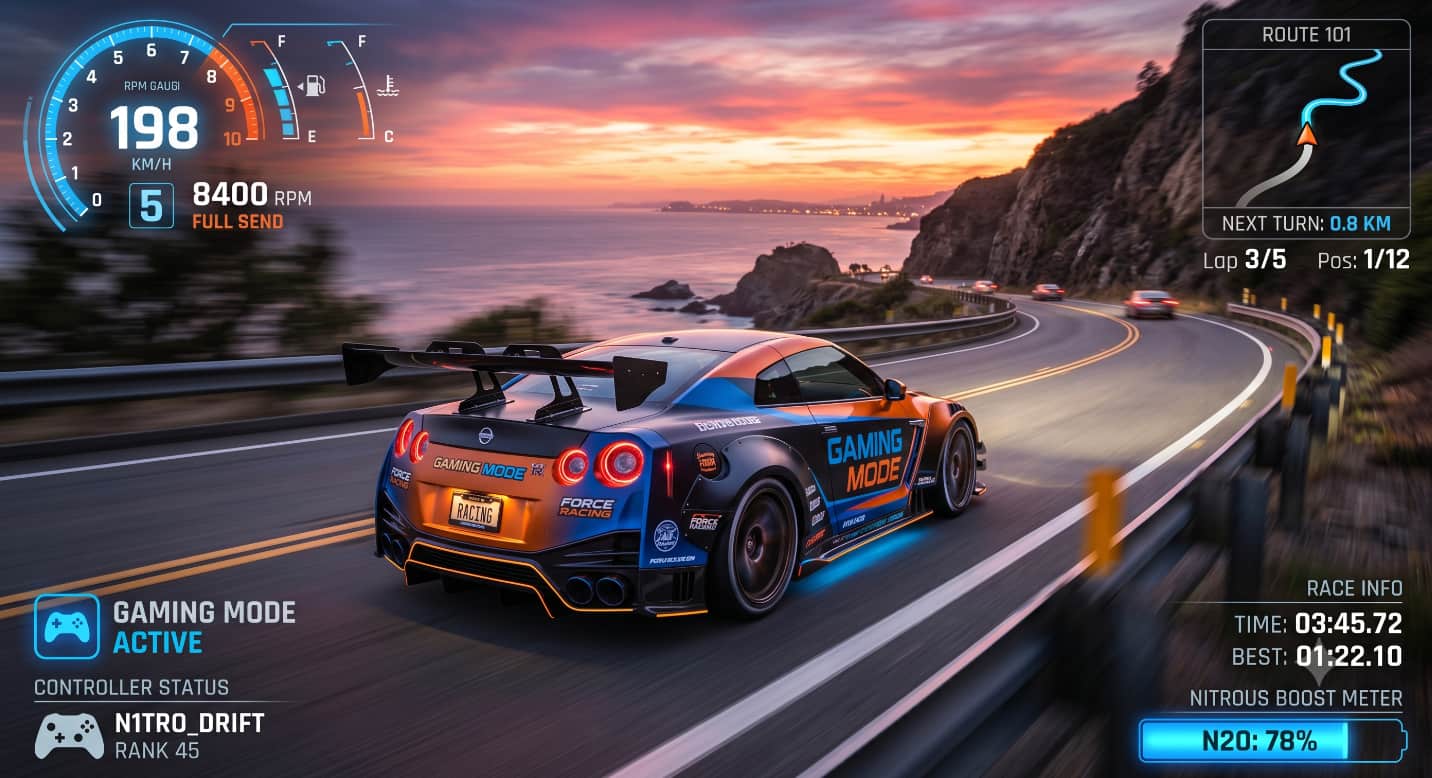
That is the answer. But the story behind how a Chinese game title became a globally searched keyword is worth a few more minutes of your time.
What Jipinfeiche Actually Means?
The word breaks into two distinct parts.
The first part means top-grade, elite, or premium. It is a common Mandarin descriptor applied to anything considered best-in-class.
The second part means speeding car or flying vehicle — carrying a sense of motion, speed, and energy.
Put them together, and you get something like “elite racing car” or “top-grade speed machine.”
In pinyin — the romanisation system that converts Mandarin into the Latin alphabet — the phrase becomes jipinfeiche.
Tonal accent marks are dropped in informal digital use, leaving the single compound word most people encounter online.
The translation is not just accurate — it is apt. Need for Speed has always been about pushing high-performance cars to their ceiling. The Chinese name says exactly that.
Why Jipinfeiche Is the Chinese Name for Need for Speed?
Need for Speed debuted in 1994 and grew into one of the most recognised racing game series globally.
When EA introduced the franchise to mainland China, the localisation team did not transliterate the English title.
They translated the concept, and jipinfeiche was the result.
That decision mattered. Chinese players knew the game by this name, not the English one.
Communities formed around it. Gaming cafes ran it under this title. Online forums, fan sites, and QQ groups all used jipinfeiche as the standard reference.
When those players entered international spaces — on YouTube, Reddit, or gaming Discord servers — the name came with them.
That is why searching jipinfeiche today returns Need for Speed clips, walkthroughs, and fan discussions.
For a significant portion of the global racing game audience, the two names are interchangeable.
How the Keyword Gained Global Traction?
- China’s Gaming Reach
China has one of the largest gaming audiences in the world.
Hundreds of millions of players engage with mobile, PC, and console titles every year.
As that audience has engaged more with international platforms, Chinese gaming terminology has spread with it.
Jipinfeiche is one example of many.
- Racing Content Goes Viral
Drifting videos, supercar compilations, and street-racing simulations consistently perform well on TikTok, YouTube Shorts, and Bilibili.
Creators in this space regularly use Chinese gaming terms in tags and titles — partly for accuracy, partly because unfamiliar words stand out and attract clicks.
Jipinfeiche benefits from both.
- Unfamiliar Words Get Searched
English speakers who encounter jipinfeiche for the first time have no frame of reference for it.
That unfamiliarity is a search trigger. People want to know what it is.
That curiosity loop keeps the keyword active even in regions with no direct connection to Chinese gaming culture.
How Game Titles Are Localised for China?
The jipinfeiche translation reflects a well-established approach to game publishing in China.
Rather than phonetically approximating English titles, publishers translate the meaning.
The aim is for a Chinese-speaking player to read the title and immediately understand what kind of game it is — without ever needing the original English name.
World of Warcraft became a name meaning “World of Magic Beasts.” League of Legends became “League of Heroes.”
Both translations communicate the game’s identity clearly in Mandarin.
Jipinfeiche does the same. A player reading it knows they are looking at a game about elite cars moving fast. No English context required.
Is Jipinfeiche a Brand or a company?
No — and this is worth stating plainly.
There is no globally recognised company, app, or standalone product officially called Jipinfeiche.
Some websites frame it as a technology platform or digital brand. Those claims are not backed by verifiable evidence.
They appear to be SEO-motivated interpretations built around a keyword, not descriptions of a real entity.
The documented and primary meaning of jipinfeiche remains the Chinese title for Need for Speed.
Treat any content that says otherwise with appropriate scepticism.
Jipinfeiche Beyond the Game
The term has taken on a life beyond the franchise — and that is not surprising given what it literally means.
Premium cars at extreme speed is a concept with broad appeal.
Automotive enthusiasts, motorsport followers, and EV culture communities all operate in adjacent territory.
Some content creators use jipinfeiche loosely to invoke high-performance car culture without any Need for Speed reference at all.
The literal meaning supports that usage even if it strays from the original context.
Language online rarely stays contained to its origins.
Why Pinyin Keywords Spread Internationally?
Chinese internet users often write in pinyin on international platforms, particularly where Mandarin character input is not the default.
Well-known examples include Douyin, Xiaohongshu, and Wangzhe Rongyao — all widely recognised in their pinyin forms outside China.
Jipinfeiche works the same way. The romanised version is searchable on Google, indexable on YouTube, and readable by anyone regardless of language background.
The original character form stays on Chinese-language platforms. The pinyin version crosses borders freely.
For keyword researchers, this pattern matters. Pinyin terms often carry real search volume in markets nowhere near China.
Common Misconceptions, Cleared Up
- It is not a car manufacturer. No major automotive brand uses jipinfeiche as an official international name.
- It is not a cryptocurrency. Speculative content has attempted to attach blockchain associations to the term. None are credible or sourced.
- It is not a gaming app. No standalone app operates globally under the jipinfeiche name in English-speaking markets.
- It does not mean one thing only. Online usage has broadened the term into speed culture and automotive content more widely. The original meaning still anchors it, but the edges have expanded.
Conclusion:
Jipinfeiche is the Chinese name for Need for Speed, translating to “elite speed car” or “premium racing vehicle.”
It spread globally because China’s gaming community is large. After all, pinyin keywords travel across international platforms, and because the word itself is distinctive enough to make people stop and search.
If you landed here wanting a straight answer, now you have one.
If you want to go further — into how Chinese gaming culture is reshaping global communities, or which racing franchises are pulling the biggest audiences right now — there is more worth reading.
Also Check: