 by
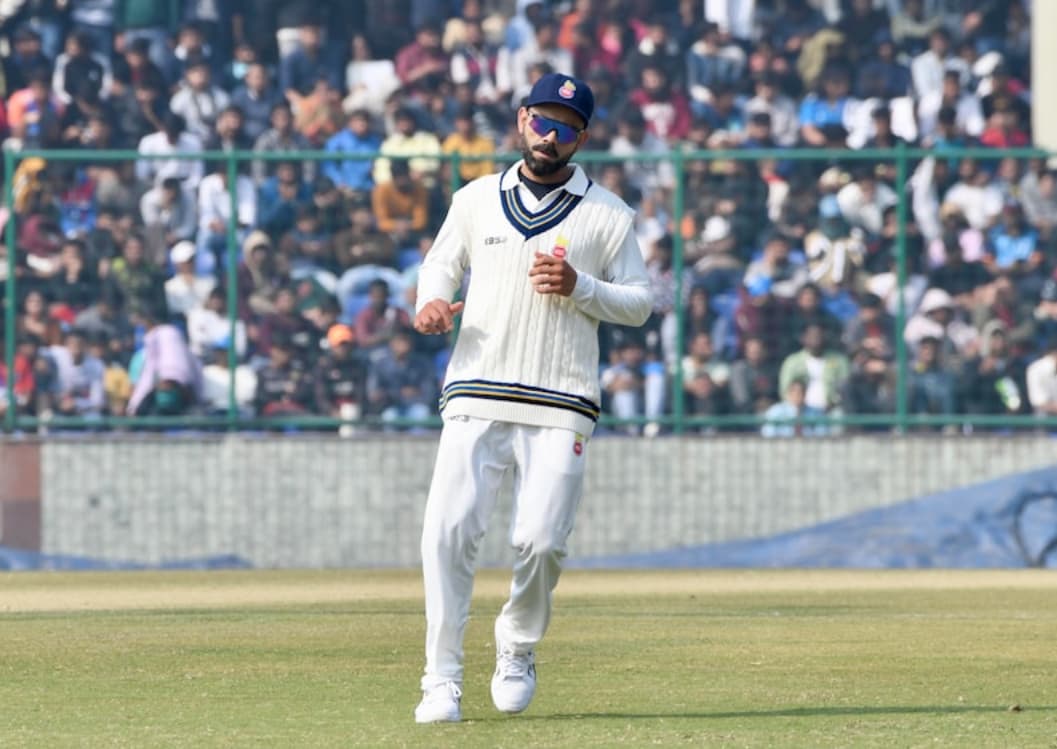
by Virat Kohli played 67 Ranji Trophy matches before becoming one of the biggest names in world cricket.
Jasprit Bumrah, Rishabh Pant, Shubman Gill — the list of Test stars shaped by this competition is long.
Yet most cricket fans could not tell you what a Ranji Trophy player actually earns.
That gap matters. The Ranji Trophy player salary in 2026 tells you a lot about where Indian cricket invests, what a domestic career is really worth, and why the BCCI’s reform proposals have so many players paying close attention.
Ranji Trophy Player Salary 2026
Here is the full picture, no guesswork, no vague estimates.
Ranji Trophy Player Salary 2026: How the Pay System Works?
The BCCI does not pay Ranji Trophy players a fixed monthly salary.
Every player earns a daily match fee. That fee changes based on two things: career experience and playing status.
Experience is measured by total first-class matches played.
The more matches in your career, the higher your bracket.
Playing status determines your daily rate. Playing XI earns more than the reserve. Reserve earns more than a non-playing squad member.
Here is the 2026 pay structure:
| Career Matches | Playing XI (Per Day) | Reserve (Per Day) |
|---|---|---|
| 41–60 matches | ₹60,000 | ₹30,000 |
| 21–40 matches | ₹50,000 | ₹25,000 |
| 0–20 matches | ₹40,000 | ₹20,000 |
| Non-playing squad | ₹25,000 | — |
A standard group stage match runs for four days. Knockout matches may add a fifth reserve day if needed.
That means a senior player in the playing XI earns ₹2.4 lakh per group match and up to ₹3 lakh in a knockout that goes the distance.
Ranji Trophy Per Match Fees: Reading the Numbers Right
A few things are worth understanding before you do the math.
- Not every match day counts equally. A washed-out day still counts. If a match is abandoned due to rain or a pitch problem after play begins, players still receive their daily fee for days attended. That provides some financial predictability.
- Only the playing XI gets the full rate. A player named in the squad but not in the playing XI earns ₹25,000 per day, not their bracket rate. That gap is significant. A senior player dropped to the bench earns less than half of what they would earn in the playing XI.
- Experience brackets are based on all first-class cricket, not just Ranji Trophy. Duleep Trophy, Irani Cup, and other BCCI first-class matches count. Players who come through the India A or Duleep Trophy system may enter a higher bracket faster than their Ranji appearances alone suggest.
Ranji Trophy Player Salary Per Season: Earnings at Every Stage
A Ranji Trophy season has three broad phases: group stage (typically 5–7 matches), knockout quarter and semifinals, and the final. Teams that exit early play fewer matches and earn less.
Here is what a senior player (41+ matches) takes home at each stage:
| Season Stage Reached | Approx. Days Played | Approx. Earnings (₹) |
|---|---|---|
| Group stage exit (4 matches) | 16 days | ₹9.6 lakh |
| Group stage exit (6 matches) | 24 days | ₹14.4 lakh |
| Quarterfinal exit | 28–30 days | ₹16.8–18 lakh |
| Semifinal exit | 32–35 days | ₹19.2–21 lakh |
| Final appearance | 36–40 days | ₹21.6–24 lakh |
For a 0–20 match bracket player, the same journey pays roughly ₹6.4–16 lakh. The drop is steep, which is why reaching the 41+ bracket matters financially, not just for status.
What Happens to Pay in the Knockout Rounds?
Most salary breakdowns stop at group stage numbers. The knockout picture is different.
Quarter and semifinals are four-day matches with a reserve day.
If that fifth day is used, all squad members earn an extra day’s fee. The final also has a reserve day provision.
A team that wins the quarterfinal, semifinal, and plays the full five days in the final could add two to three extra days of pay across those rounds.
For a senior player in the playing XI, that is ₹1.2–1.8 lakh on top of the standard knockout earnings.
Small numbers compared to an IPL contract. Real money for a domestic cricketer.
The BCCI Hike Proposal: What Could Change
The BCCI has been reviewing a proposal to significantly raise domestic match fees.
Reports suggest the plan involves roughly doubling current rates. If confirmed, senior players in the playing XI could earn close to ₹1 lakh per day.
At that rate, a senior player on a team that reaches the final would earn ₹36–40 lakh from the Ranji Trophy alone in a single season. With other domestic formats added, annual earnings could reach ₹75 lakh to ₹1 crore.
Nothing is confirmed yet. But the BCCI’s financial position has improved substantially over the past decade through IPL and global broadcast deals, and redirecting some of that into domestic pay is a stated priority.
The historical comparison makes the trend clear. In the 1990s, Ranji Trophy players earned as little as ₹1,700 per match.
By the early 2000s, that had become ₹10,000 per day. Today’s ₹40,000–₹60,000 per day bracket represents a genuine shift, and another revision would continue it.
State Contracts: The Other Layer of Domestic Pay
BCCI match fees are not the only income source for Ranji Trophy players.
Most state cricket associations offer annual contracts to registered state players.
These contracts vary by state and are separate from BCCI match fee payments.
A state contract can add ₹5–20 lakh per year, depending on the board and the player’s standing in the squad.
Players who are also centrally contracted by BCCI (typically those with India caps) receive retainership fees on top of domestic earnings.
The combination means established players are rarely dependent on Ranji Trophy fees alone.
For uncapped domestic specialists, state contracts alongside BCCI match fees form the bulk of income.
Together, they can make domestic cricket a viable full-time career without IPL earnings.
Ranji Trophy Salary vs. IPL: The Real Comparison
The IPL comparison comes up often, and it deserves a straight answer.
An IPL minimum contract pays ₹20 lakh for a tournament window of six to seven weeks.
A player retained at ₹50 lakh earns that for the same period. Star players earn crores.
Ranji Trophy asks for five months of the calendar, four-day match preparation, extensive travel, and the mental demands of red-ball cricket.
A senior player who reaches the final earns ₹22–25 lakh for that commitment.
The time and effort required per rupee earned is not comparable. That is not a criticism of the BCCI system; it is just the reality.
And it is exactly why the proposed hike matters. Domestic red-ball cricket should pay well enough that talented players are not forced to deprioritise it in favour of T20 leagues and other income sources.
Who Earns the Most in a Ranji Trophy Season?
The highest-earning Ranji Trophy players are not always the most famous.
They are the ones who:
- Play for a team that reaches the final
- Stay in the playing XI throughout the season
- Are in the 41+ match experience bracket
- Play in matches that use the reserve day
A senior player ticking all four boxes can earn ₹25–27 lakh in match fees from a single Ranji Trophy season.
Add state contract payments and any other domestic format fees from the same calendar year, and total annual domestic earnings can comfortably cross ₹35–40 lakh.
FAQs
- Q1. What is the Ranji Trophy player per match fee in 2026?
Senior players (41+ career matches) earn ₹60,000 per day in the playing XI, which is ₹2.4 lakh for a four-day match. The 0–20 match bracket earns ₹40,000 per day, or ₹1.6 lakh per match.
- Q2. How much does a Ranji Trophy player earn for a full season?
A senior player whose team reaches the final earns around ₹21.6–24 lakh in match fees. Teams that exit at the group stage earn ₹9.6–14.4 lakh depending on how many matches they play.
- Q3. Are experience brackets based only on Ranji Trophy matches?
No. All BCCI-recognised first-class matches count, including the Duleep Trophy, Irani Cup, and India A fixtures. A player can reach a higher bracket faster if they have played other first-class cricket beyond the Ranji Trophy.
- Q4. What do non-playing squad members earn?
Non-playing squad members earn ₹25,000 per day, regardless of experience bracket. Reserve players earn 50% of the playing XI rate for their bracket.
- Q5. Is the BCCI salary hike confirmed for 2026?
Not officially. Reports indicate BCCI is reviewing a proposal to roughly double current match fees, which would push senior player earnings to ₹75 lakh–₹1 crore per season. No formal announcement has been made.
- Q6. Do state contracts add to Ranji Trophy earnings?
Yes. Most state cricket associations offer annual contracts to registered state players, separate from BCCI match fees. These vary by state but can add ₹5–20 lakh per year on top of match fee income.
Conclusion:
The Ranji Trophy player salary structure in 2026 rewards experience and playing time.
Senior players earn ₹60,000 per day in the playing XI. A full campaign to the final is worth ₹22–25 lakh in match fees.
The BCCI’s proposed hike could push those numbers significantly higher.
Until then, the current structure, combined with state contracts and other domestic tournaments, makes a committed domestic cricket career financially workable.
For fans, these numbers show what it actually costs to play for India at the domestic level.
For players, they show what consistent performance and longevity in first-class cricket are genuinely worth.
More Related Guides: