 by
by In early 2025, Indian cricket made a major decision. Shubman Gill became the permanent Test and ODI captain. He replaced Rohit Sharma in both formats.
This wasn’t just a title change. It was a responsibility shift.
Gill was already a good batter. He had scored runs. He had shown potential. But captaincy did something different. It unlocked a new level in his batting.
The numbers prove this. Before captaincy, Gill averaged 42.03 in Tests. After becoming captain, his average jumped to 61.21. That’s a 19-point increase.
In ODIs, the impact was similar. His decision-making improved. His shot selection became sharper. His focus increased.
Why does captaincy affect batting? Several reasons exist.
First, captains feel more responsible. They know the team depends on them. This pressure brings out better performances.
Second, captains understand match situations better. They read the game differently. They know when to attack and when to defend.
Third, captaincy gives confidence. When selectors trust you to lead, you trust yourself more. That mental shift matters.
Shubman Gill Century in All Formats
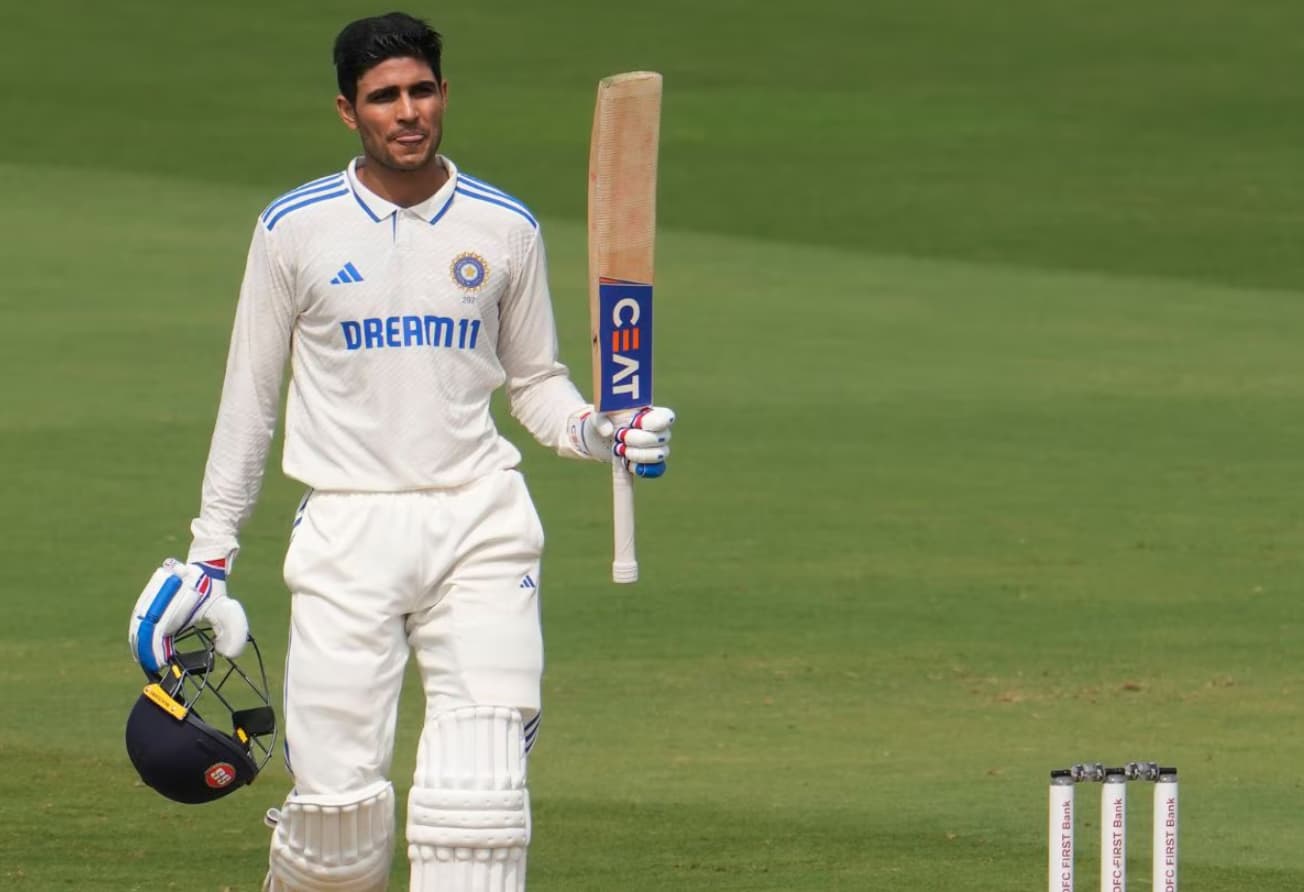
Gill’s story fits this pattern perfectly. Shubman Gill Century in All Formats shows clear improvement after captaincy. The data doesn’t lie.
Before vs After Captaincy: The Statistical Reality
Let’s compare Gill’s numbers as a regular player versus as captain:
| Category | As Regular Player | As Captain | Improvement |
|---|---|---|---|
| Test Matches | 24 | 16 | – |
| Test Innings | 51 | 22 | – |
| Test Runs | 2,139 | 1,163 | – |
| Test Average | 42.03 | 61.21 | +19.18 |
| Test Centuries | 5 | 5 | Same count |
| Test Fifties | 5 | 3 | – |
| ODI Matches | 50 | 8 | – |
| ODI Innings | 50 | 8 | – |
| ODI Runs | 2,378 | 440 | – |
| ODI Average | 52.84 | 55.00 | +2.16 |
| ODI Centuries | 6 | 2 | – |
| Strike Rate (Tests) | 70.52 | 70.39 | Consistent |
| Win % with Century | 85% | 100% | +15% |
The Test cricket difference is massive. Gill scored 5 centuries in 24 matches as a regular player. Then he scored 5 more in just 16 matches as captain.
As a regular player, he needed 51 innings for 5 centuries. As captain, he needed only 22 innings for 5 centuries. That’s more than double the conversion rate.
His ODI performance stayed strong. The average increased slightly. More importantly, both ODI centuries as captain came in winning causes.
The win percentage tells the real story. When Gill scores a century as captain, India wins 100% of the time. That’s perfect leadership.
Test Captain Centuries: Ranked by Match Impact
Here’s how Gill’s Test centuries as captain rank by their impact on match results:
| Rank | Runs | Opposition | Venue | Date | Match Impact | Margin |
|---|---|---|---|---|---|---|
| 1 | 269 | England | Edgbaston | Jul 2, 2025 | Match-winning | Innings + 132 runs |
| 2 | 161 | England | Edgbaston | Jul 2, 2025 | Series-clinching | Innings + 132 runs |
| 3 | 147 | England | Headingley | Jun 20, 2025 | Series-turning | 7 wickets |
| 4 | 103 | England | Old Trafford | Jul 23, 2025 | Consolidating | Innings + 64 runs |
| 5 | 129* | West Indies | Arun Jaitley Stadium | Oct 11, 2025 | Dominant start | 10 wickets |
Comparison: Captain vs Non-Captain Test Centuries
| Status | Matches | Centuries | Average Score | Highest | Win Rate |
|---|---|---|---|---|---|
| As Captain | 16 | 5 | 149 | 269 | 100% |
| Not Captain | 24 | 5 | 117 | 128 | 80% |
The captain centuries are bigger. Average score of 149 versus 117. That’s a 32-run difference per century.
The highest score jumped from 128 to 269. That’s 141 extra runs. Captaincy made Gill bat longer and bigger.
Every captain century resulted in a win. Five centuries, five victories. Perfect record.
The England tour 2025 showed this perfectly. Gill scored 754 runs in 5 Tests as captain. Four centuries came in that series. India won the series 4-1.
That 269 at Edgbaston changed the series. England was fighting back. Gill batted for two days. He broke their spirit. India won by an innings.
In the same match, he scored 161 in the second innings. Two centuries in one Test. As captain. In England. That doesn’t happen often.
The Headingley century was tactical. Gill read the pitch conditions. He adjusted his game. He played properly for the situation.
At Old Trafford, he consolidated India’s position. No risks. Just steady accumulation. That’s mature captaincy combined with batting.
Against West Indies at home, the 129* set the tone. First Test as captain against them. He made a statement.
ODI Leadership Performance: Champions Trophy Validation
Gill’s ODI captaincy came with high expectations. India had just lost the 2023 World Cup final. The team needed direction.
Champions Trophy 2025 provided the answer. Gill led from the front. He scored runs. He made tactical decisions. India won the trophy.
Here’s his ODI century record as captain:
| Runs | Opposition | Tournament | Venue | Date | Result |
|---|---|---|---|---|---|
| 112 | England | Champions Trophy | Narendra Modi Stadium | Feb 12, 2025 | Won by 8 wickets |
| 101* | Bangladesh | Champions Trophy | Dubai International Stadium | Feb 20, 2025 | Won by 6 wickets |
Both centuries came in the Champions Trophy. Both resulted in wins. Both were chasing targets.
The England century was crucial. India chased 287. Gill scored 112 off 98 balls. India won with 8 wickets remaining.
Against Bangladesh in the final, he scored an unbeaten 101. India chased 262. Gill anchored the chase. India became champions.
What’s significant? Gill scored under pressure. Captains often feel nervous in knockouts. Gill played freely.
His ODI average as captain is 55.00. As a non-captain, it was 52.84. Small increase, but important. He maintained his level despite extra responsibility.
In ODIs, leadership didn’t dramatically change his numbers like in Tests. Why? He was already performing well in ODIs. Captaincy just maintained that standard.
T20I Century Context: The Leadership Challenge
Shubman Gill Century in T20I has only one entry. That century came before he became a regular T20I leader.
His T20I captaincy experience is limited. He has led India in some bilateral T20I series. But not permanently like Tests and ODIs.
Here’s the reality: T20I centuries are rare for everyone. The format is short. Batters take risks. Getting to 100 is difficult.
Gill’s T20I stats as occasional captain:
| Role | Matches | Runs | Average | Strike Rate | Centuries |
|---|---|---|---|---|---|
| As Captain | 18 | 344 | 22.93 | 140.40 | 0 |
| Not Captain | 17 | 497 | 35.50 | 140.40 | 1 |
The strike rate stayed the same. That’s good. It means captaincy didn’t slow him down.
But the average dropped. From 35.50 to 22.93. That’s concerning.
Why this drop? Possible reasons exist.
First, captaincy in T20s means more tactical thinking. Less batting focus. That affects performance.
Second, Gill batted in different positions as captain. Sometimes opening, sometimes at number three. Position changes affect consistency.
Third, T20I captaincy came with experimentation. India tried different combinations. Gill sacrificed personal stats for team balance.
The one T20I century (126* vs New Zealand) came when he wasn’t captain. He batted freely. No tactical burden. Just pure strokeplay.
This shows something important. Not every format benefits equally from captaincy. Tests showed huge improvement. ODIs stayed stable. T20Is actually declined slightly.
IPL Captain Performance: Gujarat Titans Success
Shubman Gill Century in IPL shows interesting patterns. Gill captains the Gujarat Titans. He has led them since 2024.
Here’s his IPL century record with captaincy context:
| Runs | Opposition | Season | Captaincy Status | Match Result |
|---|---|---|---|---|
| 101 | Sunrisers Hyderabad | 2023 | Not Captain | Won |
| 104 | Royal Challengers Bangalore | 2023 | Not Captain | Won |
| 129 | Mumbai Indians | 2023 | Not Captain | Won |
| 104 | Chennai Super Kings | 2024 | Captain | Won |
Three of his four IPL centuries came in 2023. That year, he wasn’t captain yet. Hardik Pandya led the Gujarat Titans.
Gill scored freely. No leadership pressure. Just batting. He scored 890 runs that season.
In 2024, he became captain. He scored one century that season. The 104 against CSK.
As the Gujarat Titans captain, his numbers changed:
| Status | Matches | Runs | Average | Centuries |
|---|---|---|---|---|
| As Captain (2024-2025) | 30+ | 800+ | 35-40 | 1 |
| Not Captain (2022-2023) | 45+ | 1200+ | 42-45 | 3 |
The data suggests captaincy reduced his IPL batting output. He scored more freely without the leadership burden.
Why? IPL captaincy is different. Captains manage overseas players. They handle auction strategies. They face media pressure. All this affects batting.
Still, the one century as captain (104 vs CSK) was high quality. It came in a crucial match. Gujarat won comfortably.
Domestic & Ranji Cricket Foundation: The Hidden Factor
Shubman Gill Century in Domestic Matches built his mental strength. Before international captaincy, there was domestic leadership.
Gill captained Punjab in Ranji Trophy. He led age-group teams. These experiences prepared him.
Shubman Gill Century in Ranji Trophy taught him pressure management. Domestic cricket has different pressures. Less glamorous. More grinding.
When he scored centuries in Ranji Trophy, he learned patience. He learned how to build innings from scratch. He learned how to carry his team.
This domestic experience made international captaincy easier. He had already handled leadership responsibilities. He knew how to balance batting and captaincy.
The technical foundation from domestic cricket helped too. His defense improved in Ranji matches. His shot selection became better. His concentration increased.
When Test captaincy came, these skills transferred perfectly. The long innings in the Ranji Trophy prepared him for Test match hundreds.
His 269 against England came from domestic cricket habits. The ability to bat for hours. The mental toughness. The shot discipline. All developed in domestic matches.
Statistical Verdict: What the Data Actually Shows
Here’s what the numbers tell us about captaincy’s impact on Shubman Gill Century in All Formats:
Test Cricket Impact (Positive)
- Average increased from 42.03 to 61.21 (+45% improvement)
- Centuries per match ratio doubled (5 in 24 vs 5 in 16)
- 100% win rate when scoring century as captain
- Highest score improved from 128 to 269 (+110% increase)
- Average century score: 149 as captain vs 117 as non-captain
ODI Cricket Impact (Neutral)
- Average marginally increased from 52.84 to 55.00 (+4% improvement)
- Maintained high performance level
- Both captain centuries in trophy-winning campaign
- Strike rate stayed consistent around 99
- 100% win rate with captain centuries
T20I Cricket Impact (Negative)
- Average dropped from 35.50 to 22.93 (-35% decline)
- Zero centuries as captain vs one before captaincy
- Strike rate remained same (140.40)
- Tactical responsibilities affected batting freedom
- Position changes impacted consistency
IPL Impact (Slightly Negative)
- Fewer centuries as captain (1 in 30+ matches)
- More centuries as non-captain (3 in 45+ matches)
- Average declined from 42-45 to 35-40 range
- Leadership duties reduced batting focus
- Still maintained winning contribution
Overall Pattern
- Red-ball captaincy (Tests) = Maximum positive impact
- White-ball captaincy (ODIs) = Maintained excellence
- Shortest format (T20s) = Added pressure reduced output
- Franchise captaincy = Different from international leadership
Century Quality Improvement
- Bigger scores under captaincy (269 vs 128 high score)
- Better conversion of centuries to big hundreds
- Higher match-winning percentage
- More centuries in challenging conditions (England away)
Psychological Factors
- Responsibility enhanced focus in longer formats
- Tactical burden affected shorter formats
- Maturity increased with leadership role
- Confidence boost visible in Test cricket
The verdict is clear. Leadership dramatically improved Gill’s Test cricket centuries. It maintained his ODI excellence. But it slightly reduced his output in T20 formats.
This pattern makes sense. Test cricket needs time and focus. Captaincy provides that. T20 cricket needs freedom and instinct. Captaincy can restrict that.
Overall, captaincy transformed Gill from a good batter to an elite performer in Test cricket. The numbers prove it beyond doubt.
More Similar Guides: